

FXSTD 1BSY SOFTAIL DEUCE (2004)
Horn
10 parts
This exploded view details the 10 parts of the Horn subassembly for FXSTD 1BSY SOFTAIL DEUCE (2004). Click a part number in the table to open its page.
Exploded view
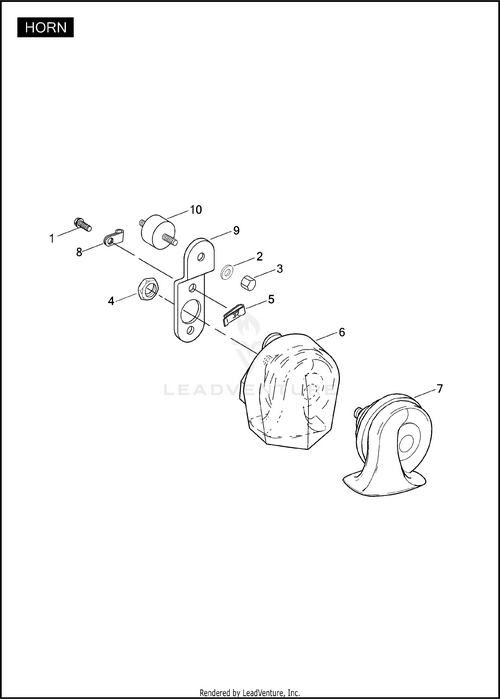
Parts list
| # | Ref. | Name | Qty | Price | Buy |
|---|---|---|---|---|---|
| 1 | 3563Flange screw | Flange screw SCREW, FLANGE | 2 | €7.36 | |
| 2 | 6109Washer | Washer | 1 | €0.92 | |
| 3 | 7481Acorn nut | Acorn nut NUT ACORN | 1 | €3.25 | |
| 4 | 7495Hex flange nut | Hex flange nut NUT,FLANGE,HEX | 1 | €1.91 | |
| 5 | 8108Speed nut | Speed nut NUT,SPEED | 2 | €1.91 | |
| 6 | 61300478AChrome horn cover assembly | Chrome horn cover assembly COVER,HORN,ASSY,CHROME | 1 | €127.07 | |
| 7 | 69060-90HHorn kit, Dyna/Softail/V-Rod/XL/Touring | Horn kit, Dyna/Softail/V-Rod/XL/Touring KIT-HORN,DYNA/SFTL/VR/XL/TOUR/ | 1 | €85.87 | |
| 8 | 69062-91AElectrical mount clamp bracket | Electrical mount clamp bracket BRKT,ELEC MT,CLAMP | 1 | €2.86 | |
| 9 | 69120-91Horn bracket | Horn bracket BRACKET,HORN | 1 | €58.52 | |
| 10 | 69123-92AElectrical mount bracket, X | Electrical mount bracket, X BRKT,ELEC MT,X | 1 | €10.34 |
Ask a question
A question about this exploded view or one of its parts? Write to us and we will answer by e-mail.
Other diagrams for FXSTD 1BSY SOFTAIL DEUCE (2004)
See more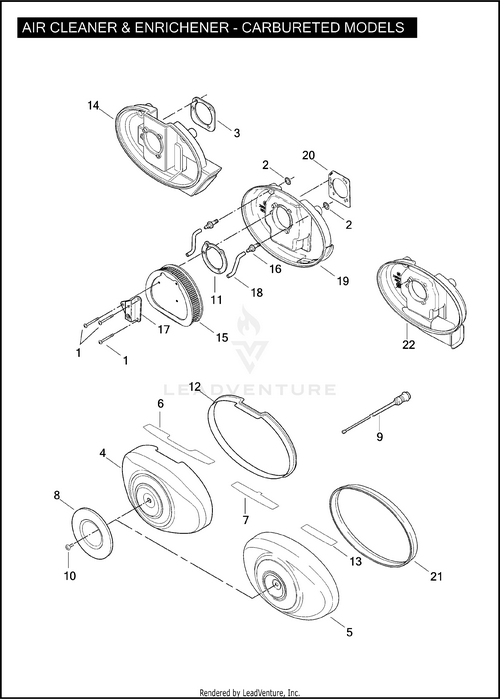
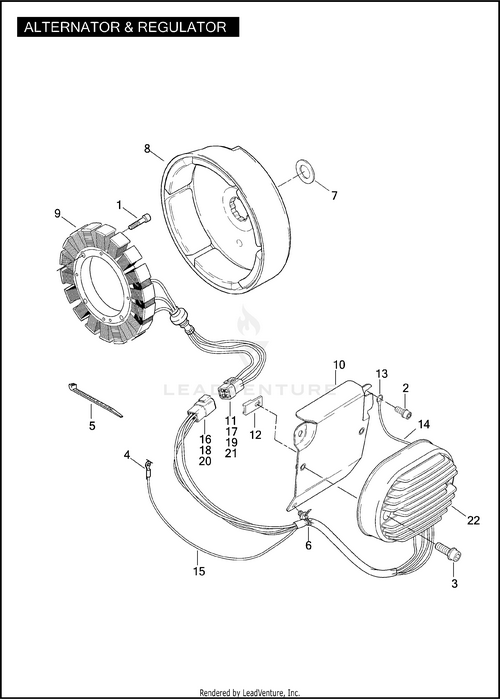
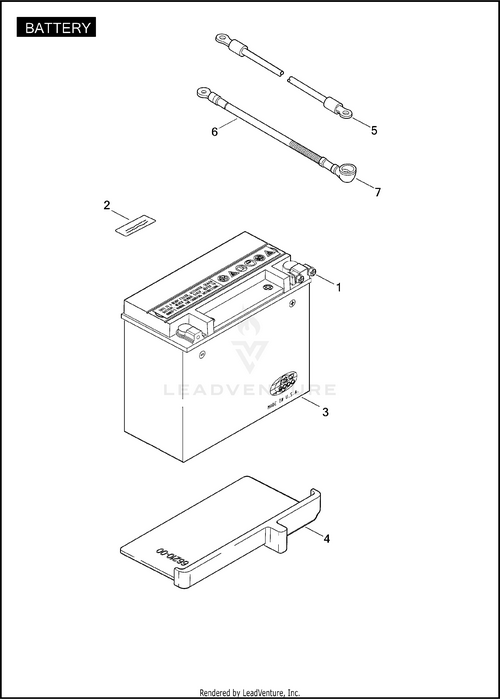
About this exploded view
This “Horn” diagram covers the Softail model FXSTD 1BSY SOFTAIL DEUCE (2004) and shows 10 parts. Of these, 10 can be ordered online. Characteristic parts of this diagram: chrome horn cover assembly, Horn kit, Dyna/Softail/V-Rod/XL/Touring, and electrical mount clamp bracket. Parts can differ by market and production date, so the motorcycle’s VIN remains the reference for checking a part.
Sounded by the button on the left handlebar switch housing, the horn is the electric warning device of the motorcycle. This assembly groups the horn unit, its mounting bracket, a protective cap and the decorative cover, finished in chrome or black and on some versions fitted with an insert or medallion. Location and cover style depend on the model; on many larger-engined machines the horn sits on the left side of the engine, hidden behind that cover. A weak or silent horn usually points to corroded contacts or a tired connector, while a dented or scratched cover is often replaced simply to change the look.